Notes from the land and the work.
Writing on mentorship, stewardship, agriculture, and the long task of building something that lasts — from the same hands that work the soil.
You Don’t Fill a Student. You Grow One.
By Imran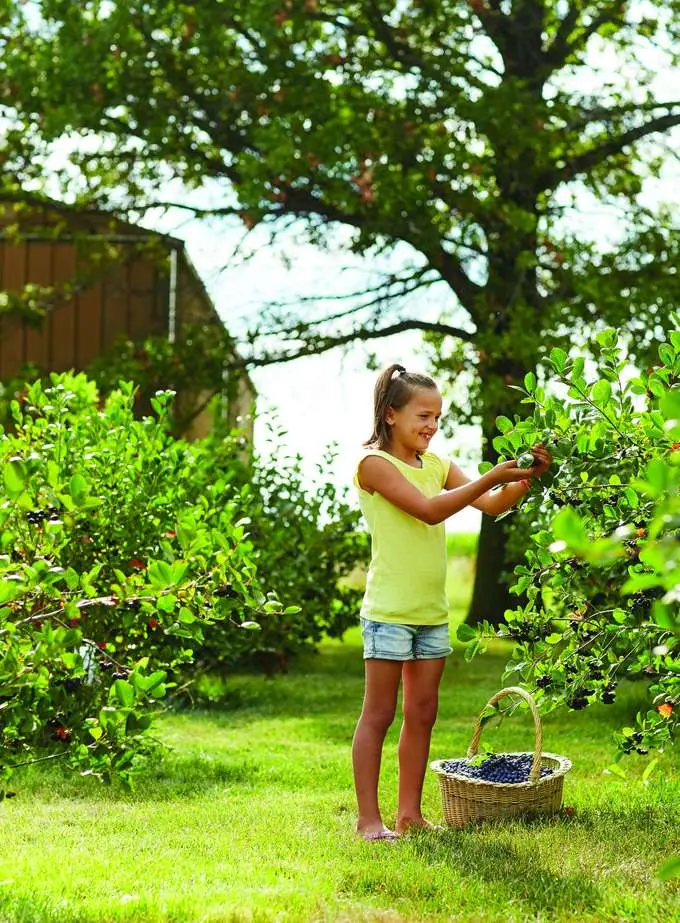
Before I was a farmer, I was a teacher. Science. And when I started, I had the whole thing backwards.
I thought teaching was a transfer. I had knowledge; the students didn’t; my job was to move it from my head into theirs. Fill them up. Pour it in, test whether it stuck, pour in some more. If a student wasn’t learning, I figured I just needed to pour harder — explain it again, louder, slower, with a different example.
It took me a while to see why that didn’t work. You can’t fill a person the way you fill a bucket. People aren’t empty containers waiting for content. They’re living things, and living things don’t get filled. They grow.
That’s a completely different job. When you’re filling something, you’re the one doing the work — the student just has to hold still and receive. But when you’re growing something, the student does the growing. Your job is the same as a farmer’s: you create the conditions, and then you tend, and then you get out of the way and let the thing become what it’s capable of becoming.
I learned more about teaching from my berry bushes than I did from any education class. You can’t make a plant grow by pulling on it. You can’t lecture soil into being healthy. All you can do is give it what it needs — light, water, room, time — protect it from what would harm it, and trust the life that’s already in there to do what life does. The growth isn’t yours. It was never yours. It belongs to the thing growing.
So now, whether I’m mentoring a young farmer, coaching somebody trying to find their direction, or working with my own kids, I try to remember that I’m not filling anybody. I’m tending. My job is to create conditions: ask the right question instead of giving the answer, make room for somebody to try and fail and try again, protect them from the worst mistakes without protecting them from the productive ones. And then trust the capacity that’s already in there.
The hard part is that growing somebody takes longer than filling them, and it’s a lot less satisfying to your ego. When you fill a person, you get the credit — look what I taught them. When you grow a person, they get the credit, because the growth was theirs. A mentor who needs the credit will always reach for the bucket. He’ll pour, because pouring feels like doing something.
But the measure of good mentorship isn’t how full you made somebody. It’s what stands on its own after you step back. The student who can think without you. The farmer who can solve the next problem you’ll never see. The kid who becomes capable, not dependent.
That’s what I’m after. Not full people. Grown ones. People with their own roots down deep enough that they’ll keep growing long after I’m out of the picture — and someday grow somebody else.
You don’t fill a student. You grow one. It’s the truest thing I know about people, and I learned it from dirt.