Notes from the land and the work.
Writing on mentorship, stewardship, agriculture, and the long task of building something that lasts — from the same hands that work the soil.
Why I Built My Own Roller-Crimper
By Imran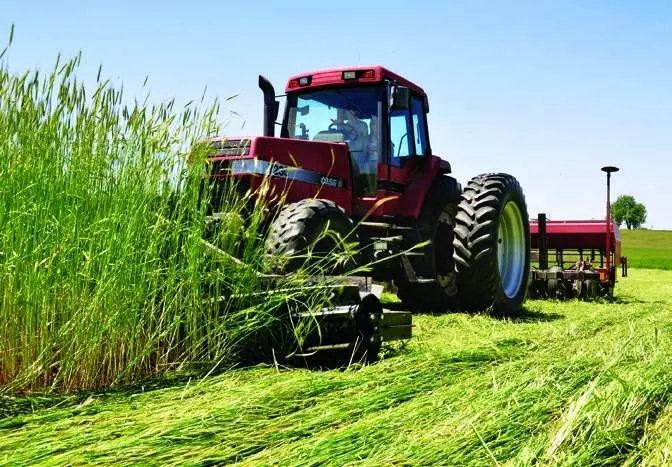
When I decided to transition our ground to organic, I knew the hardest part wouldn’t be the corn. It would be the soybeans. Or more precisely, it would be the weeds in the soybeans.
I knew this because before I ever transitioned an acre of my own, I took a job as an organic inspector. I did it on purpose — I wanted to learn the practice from the inside, by walking other people’s farms across Iowa and seeing what worked and what didn’t. And what I saw, again and again, was good farmers getting beaten by weed pressure on the soybean side of their rotation. The cultivation took all their labor, the weeds came back anyway, and one bad year was enough to push them right back out of organics. I watched it happen to people who knew a lot more than I did.
So I went looking for a different way. I found it in the research coming out of the Rodale Institute and the University of Wisconsin–Madison — work on roller-crimping cover crops. The idea is simple and beautiful: you grow a thick stand of cereal rye over the winter, let it grow tall, and then at the right moment you roll it down and crimp it so it dies in place and becomes a mat of mulch. That mulch smothers the weeds. No cultivation, no herbicide, just the cover crop doing the work.
There was one problem. You needed a roller-crimper to do it, and in Iowa, nobody was selling one.
I could have waited. A lot of people would have. You tell yourself the equipment will come eventually, the market will catch up, somebody will start manufacturing them closer to home. But I could see the frustration in the organic growers around me, and I knew cereal rye could help them right now. Waiting wasn’t an answer. It was just a slower way of giving up.
So I built one.
I went with the Rodale chevron design — the rollers come in a “V” shape rather than a straight bar, which cuts the pounds per square inch in half and reduces compaction, with the curve keeping constant contact with the ground. I built it light enough, about 1,300 pounds, that I could mount it on the front of my tractor and roll the rye while I planted in the same pass. That one detail saves the fuel cost of an entire extra trip across the field. And if I ever need more weight, I can fill it with water.
Then I did the thing I’m proudest of: I rented it out to the organic farmers around me.
Because here’s what I believe about farming. We are communities of farmers. The tool that helps me isn’t worth much if it only helps me. The same is true of the Weed Zapper I run — I take it field to field and do other people’s headlands, the edges where their sprayers won’t reach. You share the tools. You spread the practice. That’s how a region gets better at something, not one farm at a time but all at once.
I’m not a manufacturer. I’m a farmer who needed a thing that didn’t exist and decided that was a reason to build it, not a reason to quit. And I think that’s going to matter more and more, because the next wave of agriculture isn’t all going to come down from the big companies. A lot of it is going to come up from farmers in their own shops, solving their own problems, and then handing the solution to their neighbor.
You don’t have to wait for someone to save the day. Sometimes you just pull the equipment out of the shed and build what you need.