Notes from the land and the work.
Writing on mentorship, stewardship, agriculture, and the long task of building something that lasts — from the same hands that work the soil.
The Real Reason I Farm Organic
By Imran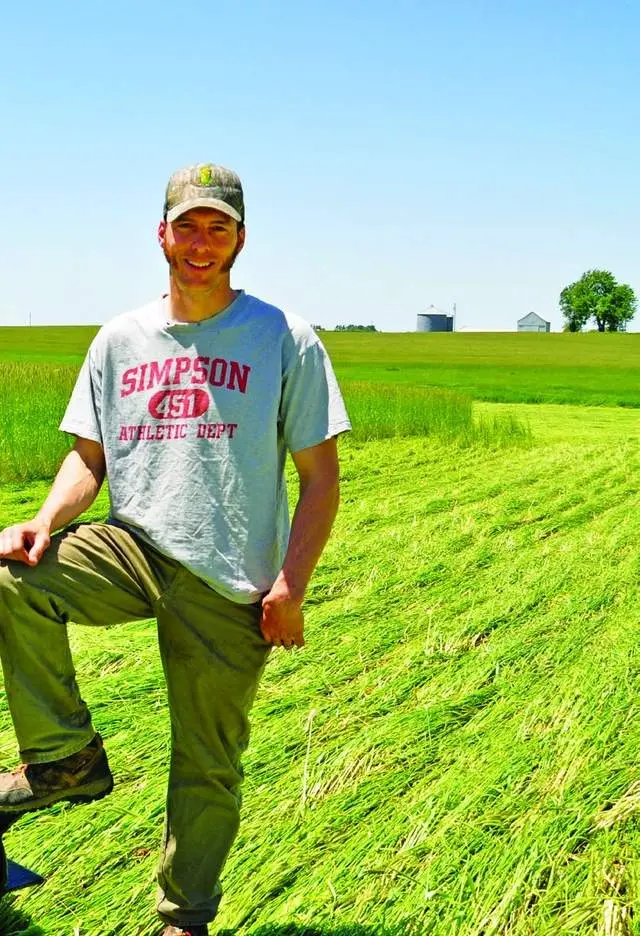
People assume I farm organic for the premium. The organic crop sells for more, so the thinking goes that’s why a person would put up with the paperwork, the weed pressure, the transition years where your yields dip while you wait for certification.
The money matters. I won’t pretend it doesn’t. Farming has to pay — at the end of the year I can’t lose money, and anybody who tells you otherwise has never had to sit across from a banker. So yes, the economics have to work.
But the money isn’t the reason. It’s the permission. The reason is something else entirely.
The reason is the school.
When I think about why I do this, I think about a community that can support more small producers. More small producers mean more local businesses to service them — the implement dealer, the seed supplier, the elevator, the café where farmers drink coffee and argue about the weather. More local businesses mean more families. More families mean the local school stays open. And a town with a school is a town with a future, a place where the next generation actually has the option to stay and farm if they want to.
That’s the chain. That’s what’s at stake. It runs from the soil all the way to whether there’s a town here in fifty years.
Every small farm that goes under, every operation that gets swallowed into something bigger and run from somewhere else, is a link out of that chain. The land’s still farmed, maybe, but the farmer isn’t local. He’s not at the school board meeting. He’s not coaching the team or sitting in the church pew or keeping the café in business. The acres produce, but the community doesn’t.
I farm organic because it’s one way — not the only way, but a real way — to make a smaller piece of ground pay enough to keep a family on it. It lets a 250-acre operation mean something, where commodity economics alone might say you need ten times that to survive. It keeps the math working at a human scale.
And it’s why I share what I learn instead of guarding it. Why I rent out equipment and speak to anybody who’ll have me and take my tools to the neighbors’ fields. Because if I figure out how to make organic work on my ground and keep it to myself, I’ve helped exactly one farm. If I help the farms around me figure it out too, I’ve done something for the whole community. I’ve kept more links in the chain.
The carbon I sequester, the soil I build, the berries I grow — those are all real, and they all matter. But underneath every one of them is the same thing. I want this to still be a place. A real community of farmers, with a school that doesn’t close and a Main Street that’s still viable for generations to come.
That’s not a marketing line. That’s the reason I get up in the dark and do this. The premium is nice. The town is everything.