Notes from the land and the work.
Writing on mentorship, stewardship, agriculture, and the long task of building something that lasts — from the same hands that work the soil.
Carbon Is a Crop
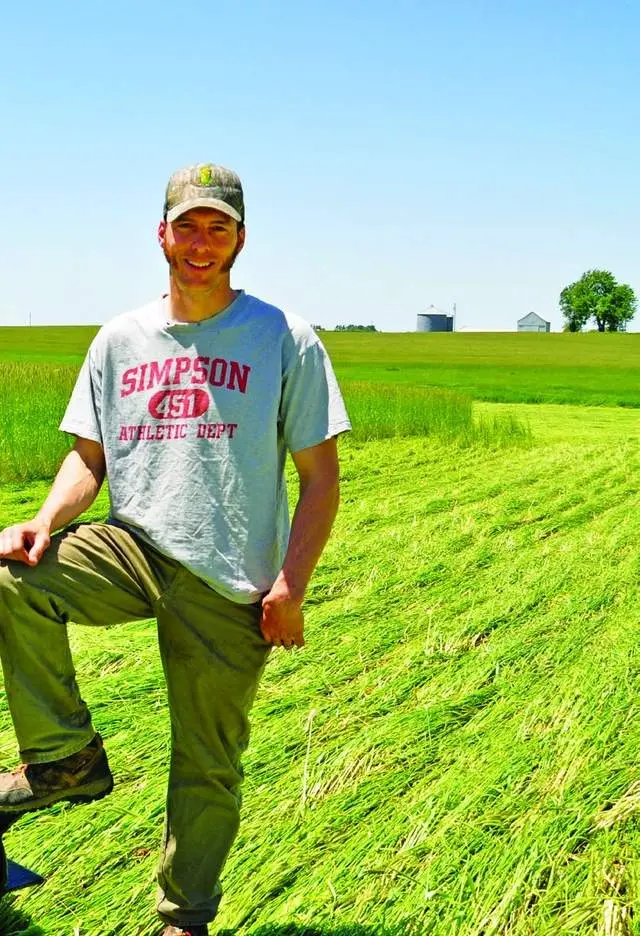
By Imran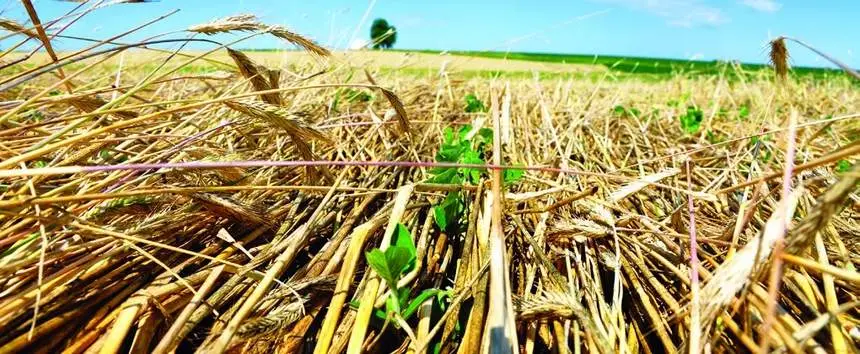
Here’s an idea that I think could change farming, and it’s not complicated: what if we treated carbon like any other crop?
Right now we don’t. Right now carbon is this fuzzy thing that a couple of companies will pay you a little bit for if you fill out enough paperwork. They’ll tell you they’ll handle marketing the offsets, and you’ll get paid per ton you sequester. And that’s a fine start, I’m genuinely glad those companies exist. But they’ll offer you ten or fifteen dollars a ton, and I’ll be honest, that’s a little insulting — because it costs the farmer about twenty-five dollars an acre just to put a cover crop out. You’re asking me to lose money to do you a favor.
That math is why most farmers haven’t jumped in. Not because they don’t care about carbon. Because farming has to pay.
But flip it around. Imagine carbon had a real, identified value — the way a bushel of corn does. Imagine you could go grow a carbon crop the same way you grow a corn crop. The only difference is that the corn leaves your field and floats down the Mississippi, while the carbon stays right there in your soil, making the ground better while it sits. If carbon were worth what it’s actually worth, any farmer could be a carbon farmer. You wouldn’t need new technology. You wouldn’t need to wait for somebody to invent the thing that saves the day. You’d just pull the equipment out of the shed and grow it.
That’s the part people miss. The tools already exist. Cover crops, roller-crimping, reduced tillage — I’m doing this stuff already, and every bit of it sequesters carbon as a side effect of just being good farming. Living roots in the soil over winter. Less erosion. Better water. Cleaner waterways. Better biology underground. The carbon piece comes along for free with practices that are worth doing anyway.
The carbon market is a door standing wide open for farmers. We’re the ones who can actually do this at scale, right now, with equipment we already own. Industry keeps trying to invent some technology that’ll pull carbon out of the air. Farmers can do it with a cover crop and a roller-crimper.
But — and this is the part that matters — nobody’s just going to show up and offer us fifty dollars a ton out of the goodness of their heart. We’re going to have to advocate for it. We as farmers have to figure out how we get that value, because it’s not going to come out of the air any more than the carbon does. If we miss this, it’ll be the biggest missed opportunity of our age. And if we get it right, we get paid for doing the thing that also happens to heal our ground and balance our farms with the ecosystem around them.
We’re ready to sequester carbon. We’ve been ready. We’re just waiting for it to be worth something. Let’s go make it worth something.