Articles That Inform
Explore articles, research, and practical insights from Levi Lyle covering mental health, ADHD, relationships, anxiety, and personal development.
It’s Electric
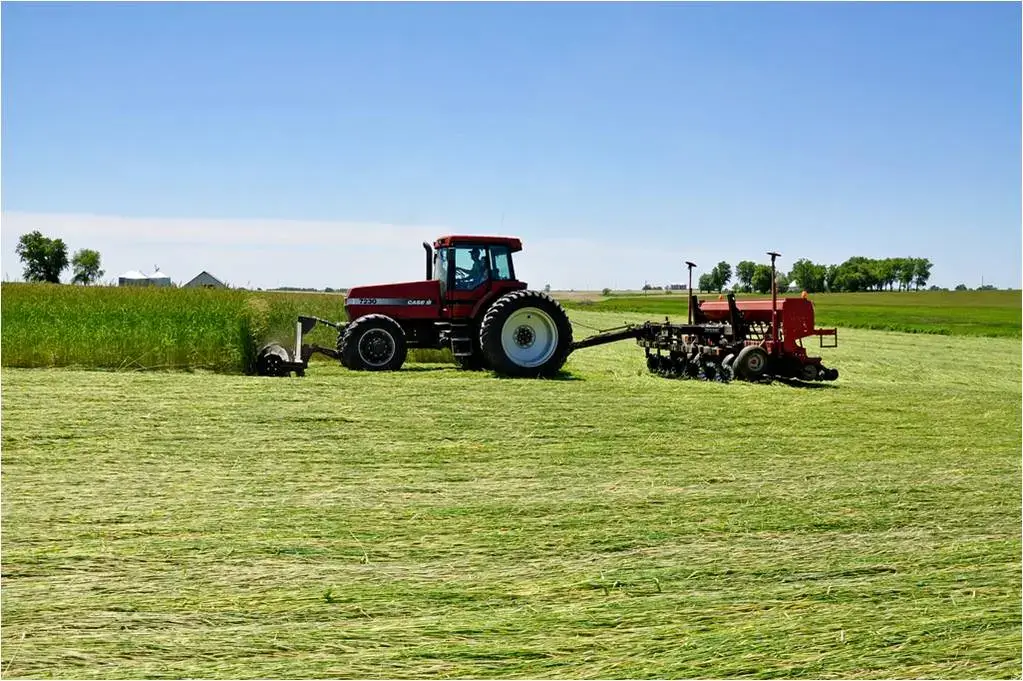
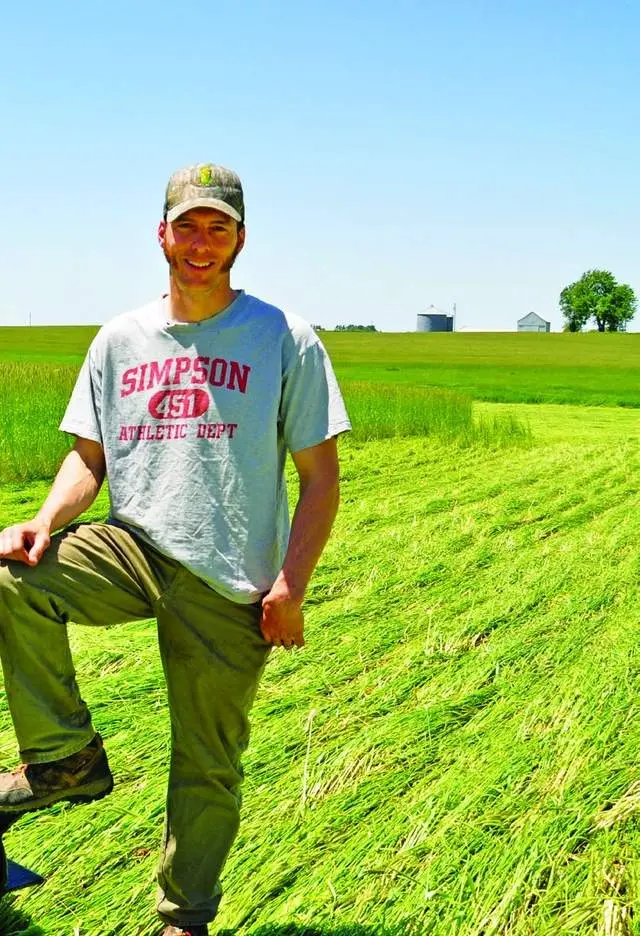
As an organic farmer, Levi Lyle has to think outside of the box when it comes to weed control.
Lyle, along with his father Trent Lyle are Washington County area farmers that have dedicated a portion of their cropland to certified organic row crop acres.
It was when he began showing some interest in diversifying his operation and raising organic crops he decided to become an organic inspector in order to learn as much as he could about the practice.
During that time as an inspector, Lyle said he discovered a unique way producers were controlling weeds – with a Weed Zapper. “What I saw were organic farmers struggling on the soybean side of their operation,” he said. “It always seemed to be the farms that were really out of control with weeds, they would start saying things about how they were going to get electricity in here and clean this up.”
Lyle admits he was very sceptic of these producers claiming electricity could clean up their fields, so he began doing some research. What was something new to him, he discovered had actually been around for decades – utilizing electricity to combat weeds.
Old School Manufacturing of Sedalia, Missouri has introduced technology and safety to an old practice with the release of their Weed Zapper.
Lyle, who not only utilizes the Weed Zapper on his own acres, also covers custom acres for other producers said there are several safety aspects to implement.
“It is so much safer than it was decades ago,” he said. “The Weed Zapper has a seat cushion you sit on that shuts the unit off if you are off of the seat. There is a light that flashes when the PTO is engaged, there are mile per hour restrictions. You have to be going 1 1/2 miles per hour to turn the electricity on and your bar kicks off if you go too fast,” he said. “There are multiple computer software set ups that you have to click through to make sure that your rings are working properly and that there are no shorts in your system. It is all computerized and it is easy to navigate.”
According to Old School Manufacturing, the Weed Zapper comes with front-mounted booms that help to minimize operator fatigue and allows the unit to come in contact with weeds that are closer to the crop canopy. The redesigned, custom-made booms feature contouring ability that allows the booms to flex and move with the contours of your crop fields. It can even be used in wet ground conditions.
How it works
Electric discharge weeding works by forcing an electrical current through a plant’s stem. The current boils the water inside the plant’s cells, bursting the cell walls. This immediately kills the plant. The less water a plant has, like those of grasses, the longer The Weed Zapper must be touching it for it to be effective. (Slower speed, extra pass) The Weed Zapper is non-selective in killing plants.
The Weed Zapper is basically a copper bar that has voltage on it. As long as nothing is touching the bar, nothing happens. As soon as a plant touches the bar, current starts flowing down the plant stem. This minimally-invasive method of killing weeds is environmentally-friendly and requires as little as one pass for minimal soil disturbance. Using electricity to kill weeds allows you to kill weeds before they go to seed, thus diminishing the seed bank in future years.
The Weed Zapper, Lyle said works very well, not only on organic acres, but for instances where herbicide resistance is an issue or the perimeter of a field.
“The headlands are a great example for using the Weed Zapper,” he said. “That is where, sometimes, the sprayers don’t get over because they don’t want to end up getting spray on someone else’s field. That is where it has been useful around my community. Farmers have heard I have that implement so I will go around from field to field and do their headlands.”
Weed control, no doubt is a crop saving measure. Lyle feels there could be quite the demand for the Weed Zapper technology in both organic and conventional acres.
“I think it is going to be on many farms as one more tool to use,” he said.
Photo caption as printed
LEVI LYLE, a Washington County farmer is shown using a Weed Zapper to control weeds in a soybean field. To see the Weed Zapper in action, Lyle suggests following his Facebook page this summer at Levilylefarm.