Articles That Inform
Explore articles, research, and practical insights from Levi Lyle covering mental health, ADHD, relationships, anxiety, and personal development.
Iowa Farmer Today
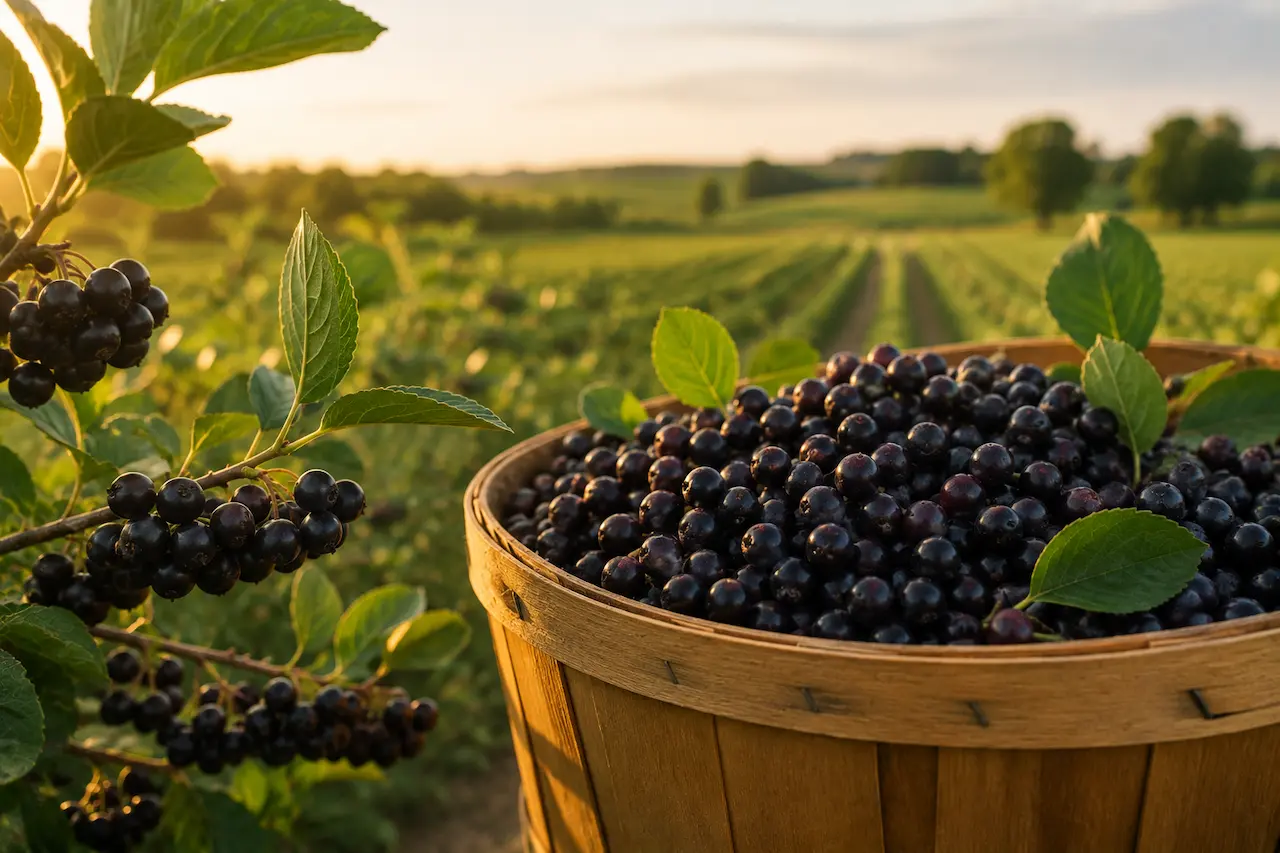
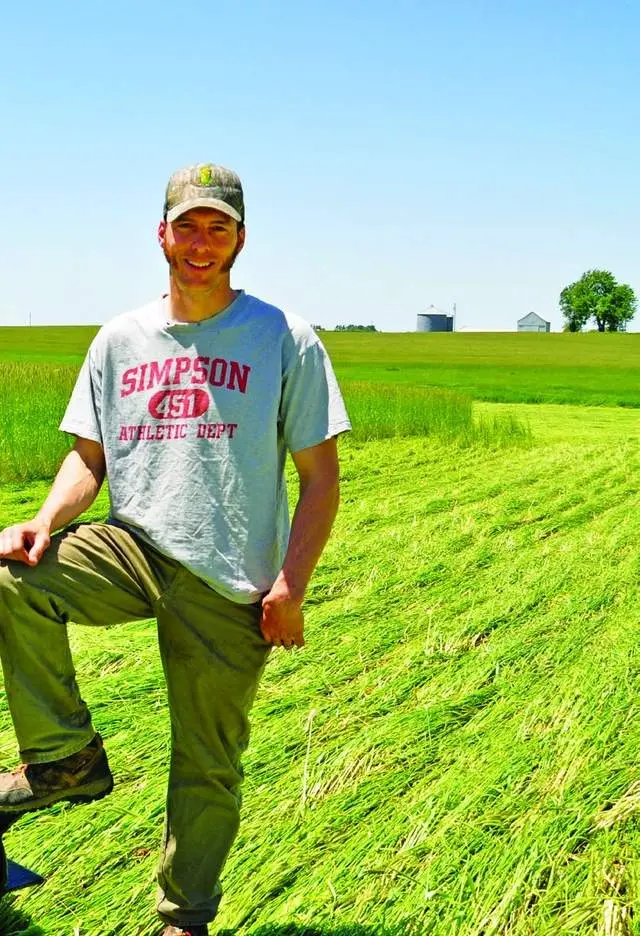
Levi Lyle was taking a walk with his 1-year-old daughter Olivia when he noticed an unfamiliar berry bush in an Indianola neighbor’s yard. That was in 2008. He had no idea that the berry would bring him home earlier than expected to the family farm north of Keota. A hint was his daughter’s first response to the purple aronia berries.
“Olivia, who resided in my backpack, reached for a handful of her own,” says Levi on his website for Levi’s Indigenous Fruit Enterprises. “At first, I thought she would cower at the tart flavor of the aronia berry. To the contrary, she couldn’t get enough. Soon her entire mouth and fingers were stained with aronia’s rich purple juice.”
Levi, a graduate of the University of Northern Iowa with a master’s degree in student administration, was at Simpson College that year where he prepared low-income students for college in a program called Upward Bound. He was also a football coach at Simpson.
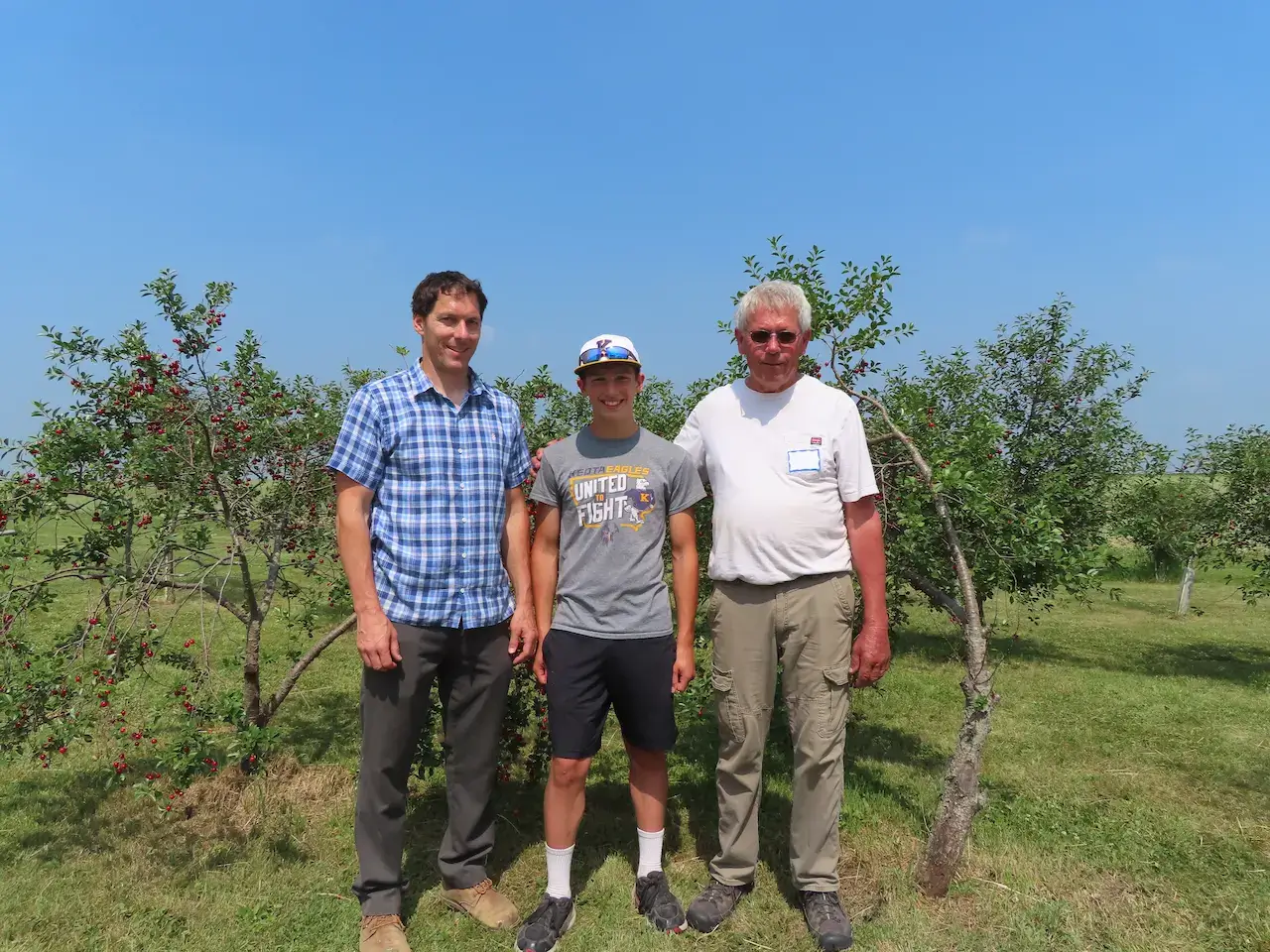
Later in 2008, Levi with wife Jill and parents Trent and Joy, planted one acre of aronia bushes on the Keota farm that goes back six generations.
Last year the Lyles harvested 1,000 pounds of the berries. This year, with the 1,000 bushes maturing, Levi said he hopes to harvest twice or three times that amount.
What’s so special about the aronia berry? Native and therefore well adapted to Iowa’s soils, the purple fruit is known to be rich in antioxidants including anthocyanins. Studies have shown that these pigments have properties associated with reduced systemic inflammation – a key factor in the development of chronic diseases. Levi says the aronia berry has one of the highest amounts of anthocyanins in the fruit world. “Eating aronia berries has reduced my inflammation from playing college football.”
“Basic research on aronia consumption has addressed potential for reducing risk of disease,” states Wikipedia. “Among the models under evaluation include reduction of blood cholesterol, colorectal cancer, cardiovascular disease, chronic inflammation, gastric mucosal disorders (peptic ulcer), eye inflammation (uveitis) and liver failure.
The bushes on the Lyle family will mature at 6 to 8 feet in height and 5 to seven feet in width. The bushes need no pesticides or tilling of the soil, which reduces soil erosion. Maintenance is mostly mowing and pruning. He has been told the best three ways to prevent rodent and skunk predation are mowing, mowing and mowing. Over the winter and early spring there have been 10 eagles perching in a maple tree near the bushes. He watched one eagle snatch a rabbit.
“Seeing an eagle watch over our crop is kind of surreal,” he said.
Levi’s organic certified berries are sold fresh at area farmers markets, at Hy-Vee stores and at JW’s Foods in Kalona when in season. The berries are also sold at the New Pioneer Coop stores in Iowa City and Coralville, Everybody’s Whole Foods in Fairfield and the Golden Dome Market in Fairfield.
Though aronia berries look similar to blue berries, the fruit has a tart taste of its own, Levi said. They are often used in salads and smoothies, or as Levi’s father does, on cereal.
Picking the berries is labor intensive – taking about 2 hours to fill a 5-gallon bucket that holds approximately 25 pounds. All told, said Levi, it took about 40 hours last year to complete the harvest. With some of their neighbors also planting aronia bushes, there are plans to go in together to buy a mechanical harvester that is similar to ones used for blueberries.
Still, said Levi, picking by hand has its advantages. Such harvesting allows a continued picking through the several-week period as the individual berries ripen.
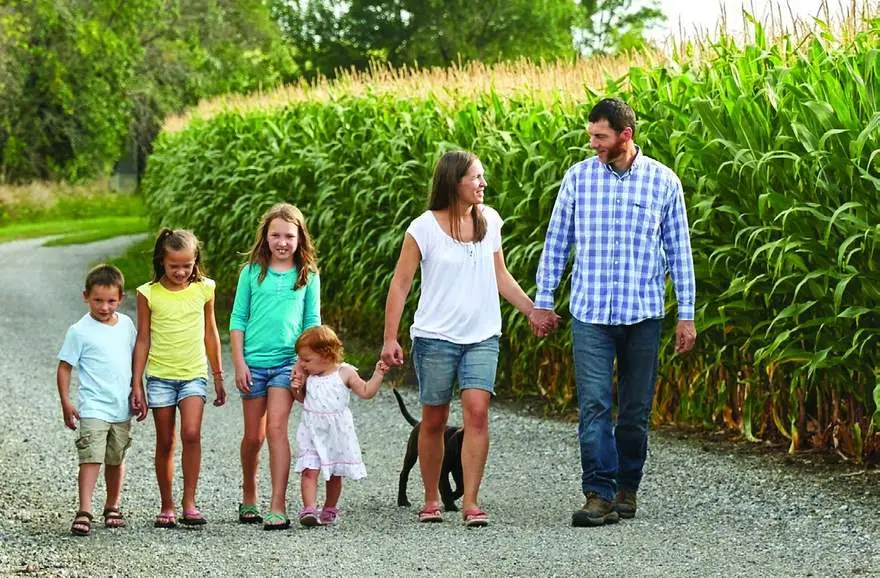
Daughters Olivia and Elyse have helped in the harvesting, Levi observed, but so far they usually eat most of what they pick. “They get pretty purple.” Son Emerson is still too young to follow his sisters.
“I thought it was kind of crazy,” laughs Trent about first being told of his son’s idea for planting and marketing the berry, but added that with agricultural operations continuing to grow larger, it will take something different to survive on smaller farms. Only corn and soybeans were grown on the Lyle farm, Trent having decided not to expand into hog confinement a number of years ago.
supported on a smaller farm just as his grandfather once did. The only option is to diversify, he concluded.
The mission statement of the his effort says much:
Indigenous Fruit Enterprises recognize the farmer as the keeper of balance between man and nature. Farmers respect and uphold the natural capacity of the landscape. The role of our farm is to deliver wholesome, fully ripe, fruit to the consumer with optimal nutritive value. Three practices epitomize and sustain LIFE.
• Organic growing
• Perennial, native Iowa fruits
• Local distribution of products