
Notes from the land and the work.
Writing on mentorship, stewardship, agriculture, and the long task of building something that lasts — from the same hands that work the soil.
What a Berry Bush Taught Me About Patience
By Imran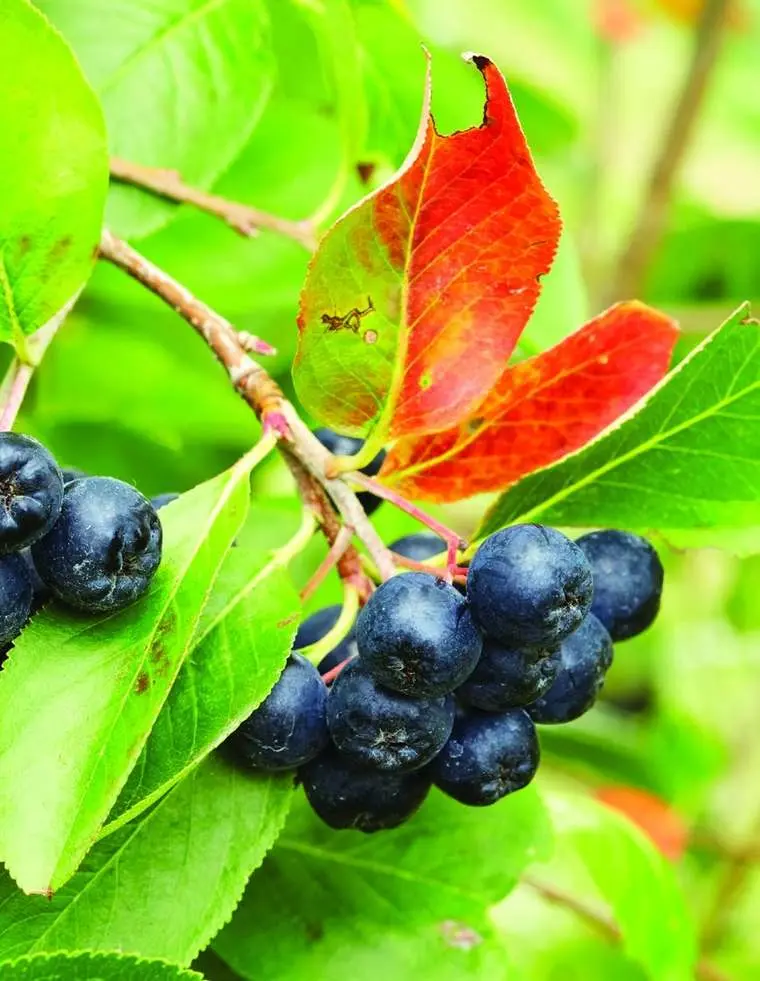
When you plant an aronia bush, you don’t get a berry the first year. You don’t get one the second year either. It takes about three years before the shrub bears its first fruit, and even then it isn’t much. You spend those first seasons doing all the work and getting none of the reward — pruning, mowing the rows, keeping the weeds down, watching, waiting.
I’ll be honest. The first time I planted aronia, that waiting bothered me. We live in a world that wants returns by Thursday. We want the harvest the same season we put the seed in the ground, and if it doesn’t come, we start to wonder if we planted the wrong thing.
But here’s what those three years taught me, and I’ve come to think it’s the most important thing the farm has ever shown me: you cannot force a thing to grow. You can only create the conditions in which growth becomes possible, and then you tend it faithfully and wait.
That’s true of a berry bush. It’s just as true of soil, which takes years of cover crops and care before it really comes alive. Our ground didn’t become healthy overnight — it took thirty years of no-till that my father started, and cover crops we added on top of that, before the soil organic matter and the biology underneath it reached the point where I trusted it to carry an organic crop. Three decades. You can’t rush dirt.
And it turns out it’s true of people too.
When I taught science, I had this idea early on that my job was to fill students up with what I knew. Pour the information in, test whether it stuck. But the students who actually grew weren’t the ones I filled. They were the ones I gave room and time and the right conditions, and then trusted to become something. You don’t fill a student. You grow one. And growing takes longer than filling. It takes seasons you don’t see results in.
I think a lot of us quit on the things that matter most right in those invisible years — the years where you’re doing the work and nothing is showing above the ground yet. The marriage in its hard stretch. The kid who isn’t turning the corner yet. The new practice on the farm that hasn’t paid off. The community effort that feels like it’s going nowhere. We pull the plant up to check the roots, and in checking, we kill it.
The aronia bush doesn’t give you that option. It makes you wait whether you like it or not. And the waiting is the lesson. By the third year, when the first real fruit comes in dark and heavy, you understand something you couldn’t have understood by rushing: that the waiting was never wasted time. It was the work. The roots were going down the whole time, in the dark, where you couldn’t see them.
I’ve got bushes on this farm older than some of my neighbors’ whole operations, and they produce more now than they ever did, because somebody was patient with them at the start. That’s the deal stewardship makes with you. Be patient now, and the next generation harvests what you couldn’t.
So when people ask me what farming taught me about life, I don’t tell them about hard work, though there’s plenty of that. I tell them about patience. About the three years before the first berry. About trusting the conditions and tending the thing and letting time do the part of the work that only time can do.
It’s the hardest lesson the land teaches. And it’s the only one I’d insist everybody learn.